Renaissance star forts: geometry meets military engineering
A historical analysis examines the geometric and strategic properties of early modern star-shaped fortifications, which represented a technological response to the rise of artillery. The design—with interlocking angles of fire and reduced blind spots—exemplified how military innovation drives architectural and engineering innovation. The piece illustrates how constraint (defending against cannons) generates elegant design solutions.

Elbridge Gerry: Revolutionary Statesman Beyond the Gerrymandering Epithet
This historical rehabilitation argues that Elbridge Gerry, whose name became synonymous with partisan redistricting abuse, deserves recognition for his broader contributions to American statecraft during the founding era and early republic. The piece implicitly engages the problem of historical reductionism—how single policies or failures come to define public memory, obscuring more complex legacies. It's a useful reminder that intellectual history often benefits from resisting caricature.
Wharton Economist on Hidden Markets: How Value Gets Allocated
Judd Kessler, a University of Pennsylvania economist, discusses his research into informal allocation mechanisms—the hidden markets that determine who gets access to scarce, desirable goods and services. His work traces how prices, queues, networks, and social mechanisms compete as allocation systems. The analysis is relevant to understanding why markets fail in certain domains and what mechanisms emerge to replace them—a perennial topic in institutional economics.
David Lang's Oratorio Brings Adam Smith's Economics to Stage
Composer David Lang has created a musical work inspired by Adam Smith's economic philosophy, an unusual convergence of high art and political economy. This kind of cultural engagement with economic thought—rather than treating it as dry technocracy—reflects a broader artistic interest in making foundational ideas accessible and emotionally resonant. The piece likely explores how artistic form can illuminate economic principles in ways that policy papers cannot.

Wharton Economist on Hidden Market Design and Value Allocation
Judd Kessler, author of "Lucky by Design: The Hidden Economics You Need to Get More of What You Want" and a Wharton professor, discusses research into how markets allocate scarce goods like restaurant reservations and concert tickets—mechanisms often invisible to casual participants. His work examines how institutional design shapes individual outcomes and access to desirable goods, bridging mechanism design theory with practical examples. The topic has relevance to policy debates around allocation efficiency, equity, and how market structures can be deliberately engineered to serve different social objectives.

ISBN Architecture Visualized: Publishing's Numerical Taxonomy
A visualization project mapping the structure and distribution patterns within the ISBN system. This serves as a data-driven exploration of how books are classified and tracked globally, potentially revealing patterns in publishing concentration, genre representation, or regional cataloging practices.

Soliciting Questions for Art Historian Andrew Graham-Dixon
A meta-post inviting reader submissions for an upcoming interview with prominent art critic Andrew Graham-Dixon, highlighting his forthcoming Vermeer biography and existing works on Caravaggio and Michelangelo. This is housekeeping content, not editorial substance.

Frankfurter on Presidential Power: A Timeless Constitutional Caution
A brief excerpt from Justice Felix Frankfurter's concurrence in Youngstown Sheet & Tube Co. v. Sawyer (1952), the landmark case limiting President Truman's seizure of steel mills during the Korean War. Frankfurter's reasoning on the limits of executive authority in domestic crises remains one of the most cited statements on separation of powers. The reference suggests contemporary relevance—likely to ongoing debates over executive orders and emergency powers.
Supreme Court History: Seminole Tribe v. Florida (March 27, 1996)
A historical note marking the Supreme Court's decision in Seminole Tribe of Florida v. Florida, a landmark Eleventh Amendment case constraining the power of Congress to subject states to suit in federal court. The decision was part of the Rehnquist Court's federalism revival and remains contentious among constitutional scholars. This is background material, likely serving as an educational reminder of important precedent.

Conservative Intellectual Combat: From Argument to Rhetoric
An examination of the historical Buckley-Rothbard disagreement and contemporary conservative disputes suggests a shift in conservative polemics from rigorous logical argument (logos) toward emotional and rhetorical appeals (pathos). The observation implies both a methodological decline in conservative public discourse and a cultural turn toward personality and affect over principle. This addresses an important meta-question about the intellectual quality of contemporary conservative debate.

Podcast Review: Tracing Socialism from Marx Through Modern Labor Politics
A review of "Origin Story," a podcast by Dorian Lynskey and Ian Dunt examining socialism's intellectual history and political manifestations from Marx onward, including contemporary expressions in parties like Labour. The review endorses the podcast's historical approach to ideology. This is cultural and intellectual coverage with limited urgency for policy-focused readers.
Epistemology and Economic Intuition in an AI Age
An excerpt from Tyler Cowen's work questioning whether human economic intuitions were ever reliable, suggesting AI disruption may reveal prior weaknesses in our understanding rather than introduce wholly new chaos. The passage gestures toward deep questions about knowledge, institutions, and technological change, but the excerpt is too fragmentary to evaluate the argument itself.
Mexico's Long History: Paul Gillingham on 500 Years
A promotional note for Tyler Cowen's conversation with historian Paul Gillingham about his new book, *Mexico: A 500-Year History*. No substantive content; advertising for forthcoming media.
Economics Expands: Behavioral Work and the Discipline's Drift
An excerpt from Cowen's book questioning what economics has become, using gender confidence gap research in *American Economic Review* as a case study. The implicit claim: the profession increasingly addresses social phenomena beyond traditional political economy. The question—whether this represents productive pluralism or disciplinary dilution—is left unexplored in the fragment.
Supreme Court History: NFIB v. Sebelius Oral Arguments, 2012
A historical note marking the oral arguments in the case that would become the landmark Affordable Care Act decision, testing the limits of the Commerce Clause. The case remains foundational to debates about federal enumerated powers. This is archival content rather than breaking analysis.
Gerard of Cremona: medieval translator and knowledge broker
A Wikipedia entry profiles Gerard of Cremona (1114-1187), the prolific translator who rendered Arabic scientific and philosophical texts into Latin, facilitating the transmission of Hellenistic knowledge into medieval Europe. Gerard's career exemplifies how translation—often invisible labor—acts as an engine of intellectual progress and institutional knowledge transfer. His work underpinned the later European scientific revolution.
The Marginal Revolution: A 40,000-Word Essay on Economics and AI
Tyler Cowen has published a new essay-length work (40,000 words, entirely human-written) exploring the rise and decline of mainstream economics and implications of artificial intelligence for the discipline. Available free online with an AI-assisted dual-display interface. Significant intellectual project meriting sustained engagement.
Scalia's Constitutional Legacy Under Trump Presidency: A Counterfactual
Richard Re explores how Justice Antonin Scalia's jurisprudence might have evolved had he survived to the Trump administration, examining potential tensions between originalism and executive power, judicial deference, and statutory interpretation in practice. The analysis illuminates how individual justices' frameworks respond to novel institutional pressures.
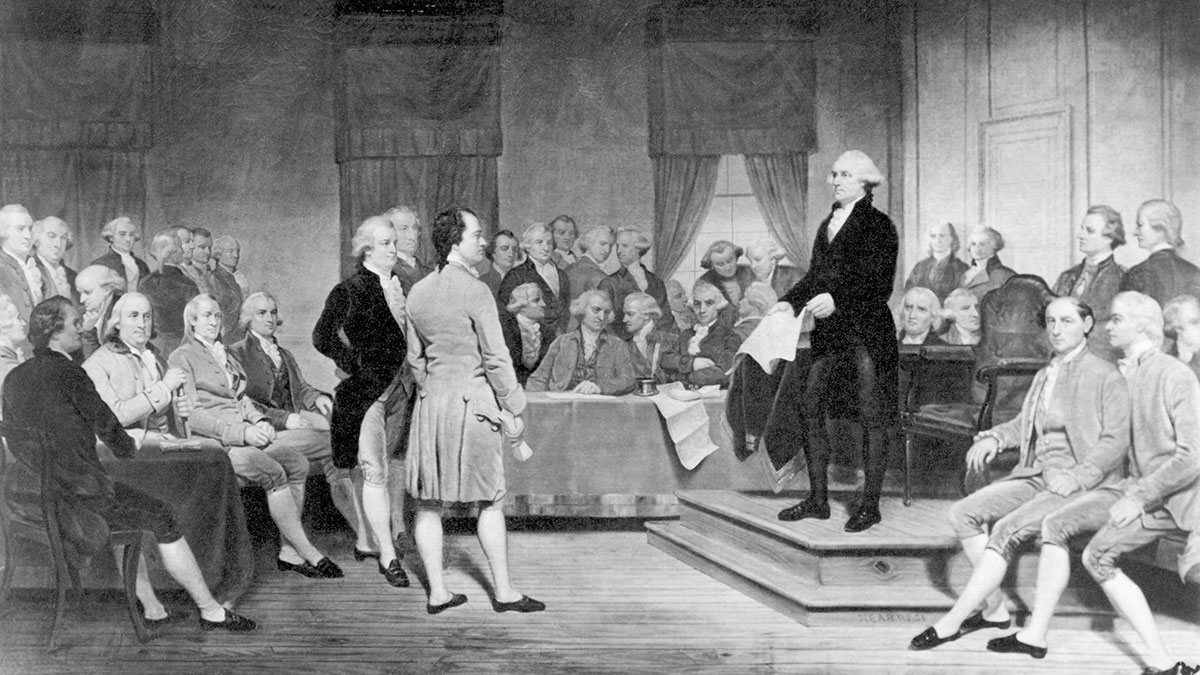
Founders' Vision of Liberty and Equality: Robert George Reflects
A podcast discussion exploring what the Founders understood by liberty and equality, and where modern practice has drifted from founding principles—a perennial conservative inquiry into constitutional intention versus contemporary interpretation. Such conversations anchor debates about institutional reform, judicial philosophy, and the scope of government in actual textual and historical grounding rather than abstract ideology.
Marginal Revolution: Weekly links on trade, AI theory, and social science methodology
Tyler Cowen's weekly digest spans restaurant openings, AI trade patterns, antimatter physics, David Hume genealogy, whether language models can generate novel economic theories, methodological critique of social media research, and evolutionary biology. The collection reflects Cowen's signature intellectual eclecticism—mixing rigorous economics with cultural observation and hard science. Worth scanning for the AI theory question alone: can computational systems generate genuinely new economic insights, or merely recombine existing frameworks?
Cowen previews conversation with Katja Hoyer on East German history
Cowen announces an upcoming interview with Hoyer, a scholar of the German Democratic Republic whose biographical background (daughter of an NPA officer, educated in the GDR before emigrating) positions her to discuss Cold War institutional life from an insider's perspective. The teaser suggests focus on how authoritarian systems functioned on the ground versus how they're remembered. Relevant for conservative audiences interested in how totalitarian bureaucracies actually operated and what lessons they offer about state capacity and social control.
Cowen discusses path into AI research, beginning with 1975 chess computers
Cowen traces his intellectual trajectory from observing Deep Blue's ancestor (Tinker Belle, a 1975 chess machine) through the Kasparov matches to contemporary AI work. The excerpt positions computational game-playing as the entry point to understanding artificial intelligence generally. For conservative readers, Cowen's role as one of the few mainstream economists seriously engaging AI's economic implications makes this interview valuable background on how major policy thinkers arrived at their analytical frameworks.
Marginal Revolution: Weekly links on AI, USAID, plate tectonics, and cultural decline
Cowen's weekly roundup includes debate over Elon Musk's AI competitive position, empirical results on USAID policy changes in Malawi, data on Paul Strauss's lecture attendance, New York Times reporting on reality TV's decline, seismic evidence from European archives, and a music history inquiry into whether a canonical song was parody. The USAID evaluation and AI race analysis likely warrant closest attention; the others reflect Cowen's commitment to surprising intellectual connections. Worth scanning for the Malawi results—foreign aid efficacy data is rare and valuable.
Cowen interviewed at University of Stellenbosch on contemporary economics
Cowen participated in a recorded interview at the South African university. The excerpt provides no substantive details, making assessment difficult beyond noting that Stellenbosch is a serious academic venue. This item may interest scholars or listeners seeking Cowen's broader intellectual perspective beyond his regular blog output.

Ideas Require Human Relationships to Take Root
A Discourse editor reflects on the magazine's model, arguing that intellectual influence flows through personal connection and trust—that ideas circulate not as disembodied arguments but as relationships between editors, writers, and readers who engage across time. This is a meditation on the institutional machinery of intellectual work, not an argument for a particular ideology. It implicitly critiques both the illusion that ideas spread virally through mass media and the opposite error that they propagate through pure rational persuasion.
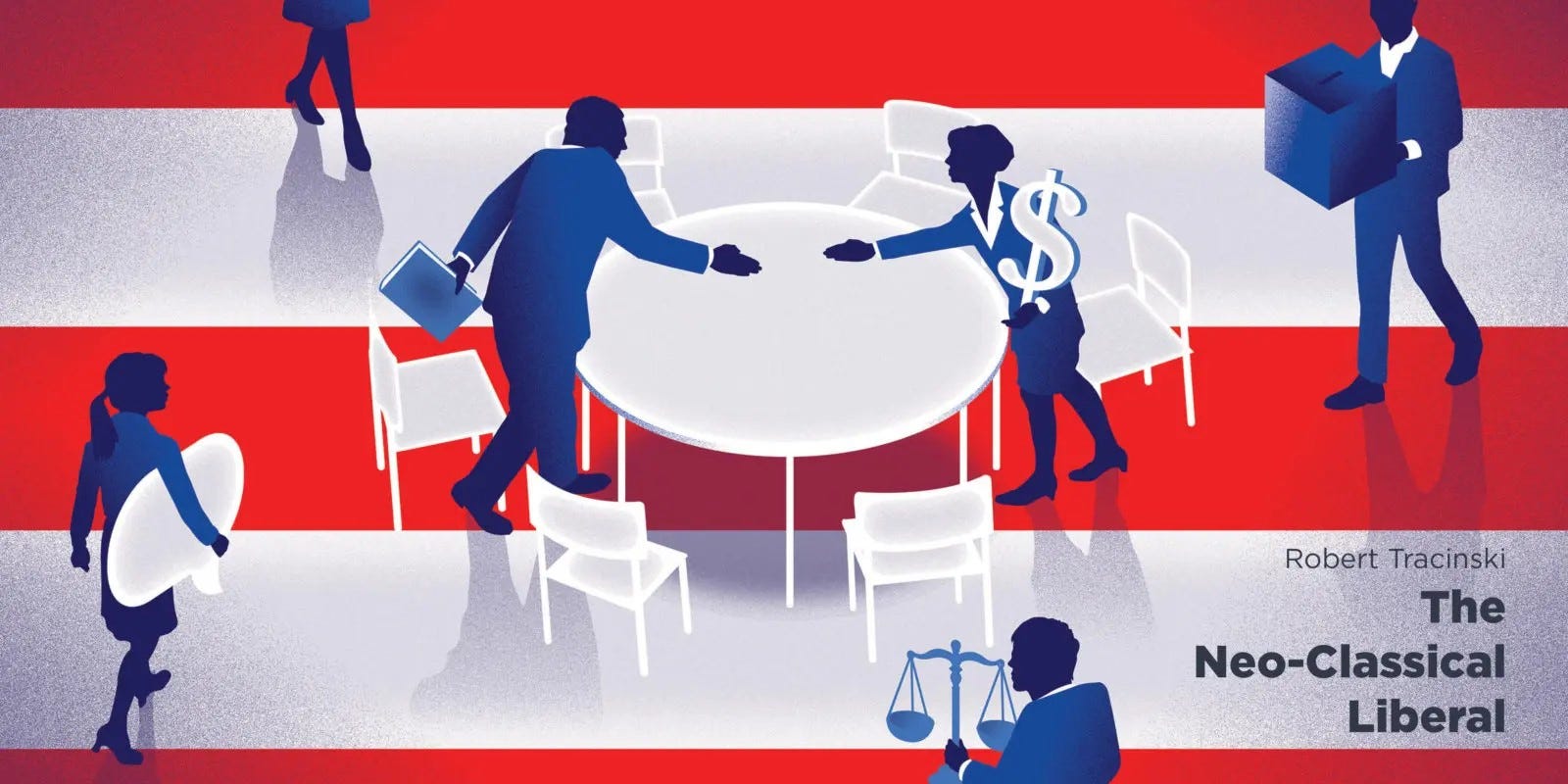
Magazine Decline Has Impoverished Long-Form Analysis
A Discourse contributor argues that the collapse of the magazine industry—particularly mid-market journals of opinion—has reduced the intellectual infrastructure available for sustained analysis of complex policy and cultural questions. The claim is that magazines, despite their commercial fragility, performed a specific function: they created space for 5,000-10,000 word arguments that require time, editorial investment, and audience patience in a way that digital fragments and social media do not. This is a structural media argument, not a nostalgic one.
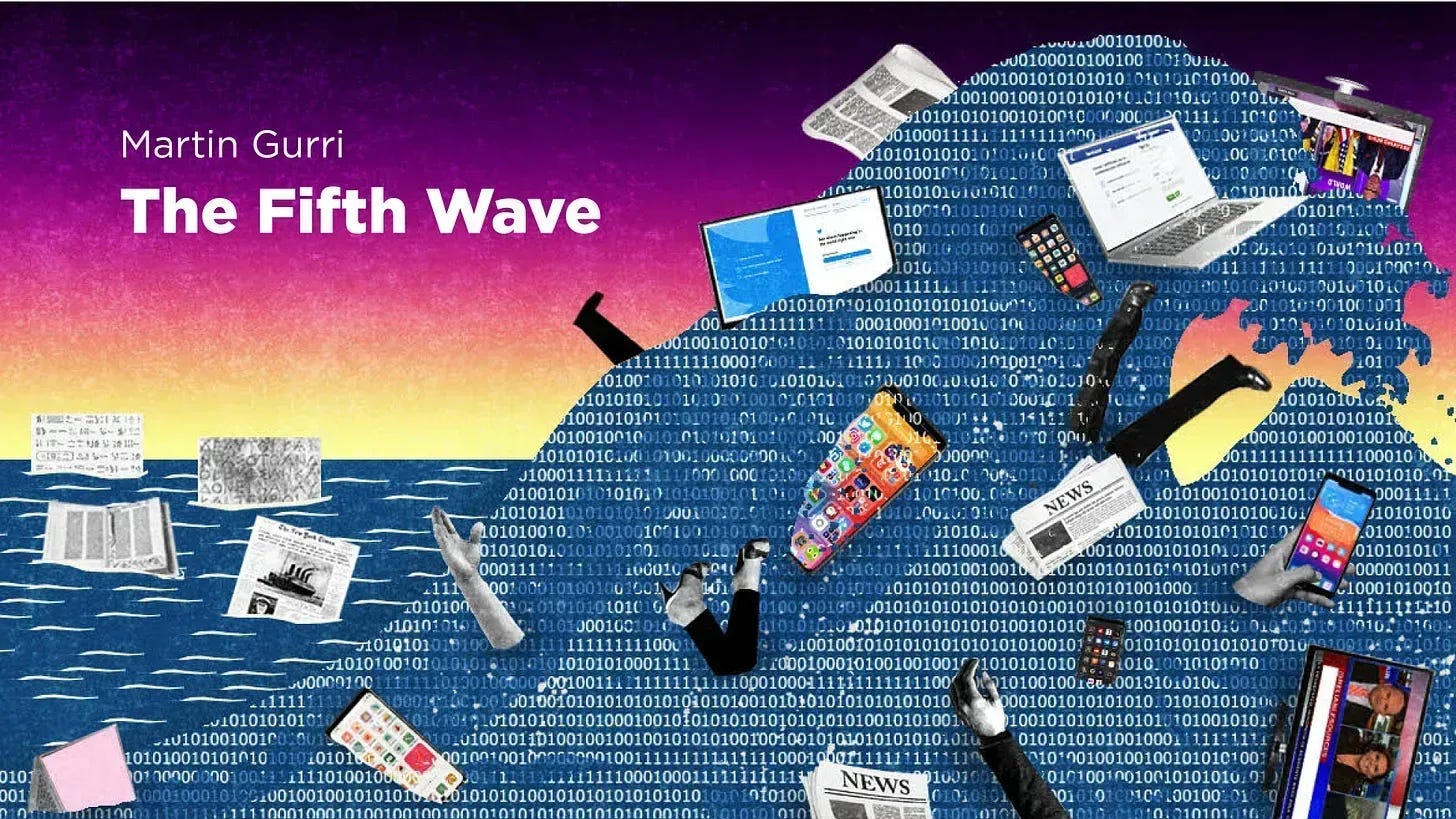
On Editors, Writers, and the Craft of Ideas
A writer's personal essay celebrating collaborative intellectual work at Discourse magazine, emphasizing the satisfaction of rigorous editing and the pleasure of working in a community of writers and editors committed to quality argument. This is memoir and craft reflection, not analysis, but it documents the experiential reality of intellectual labor in a way that policy arguments alone cannot.

On Gratitude and the End of a Project
An editor's farewell essay reflecting on Discourse magazine's closure, structured around gratitude for collaborators, readers, and the chance to do serious intellectual work. This is primarily personal testimony and acknowledgment rather than substantive analysis.
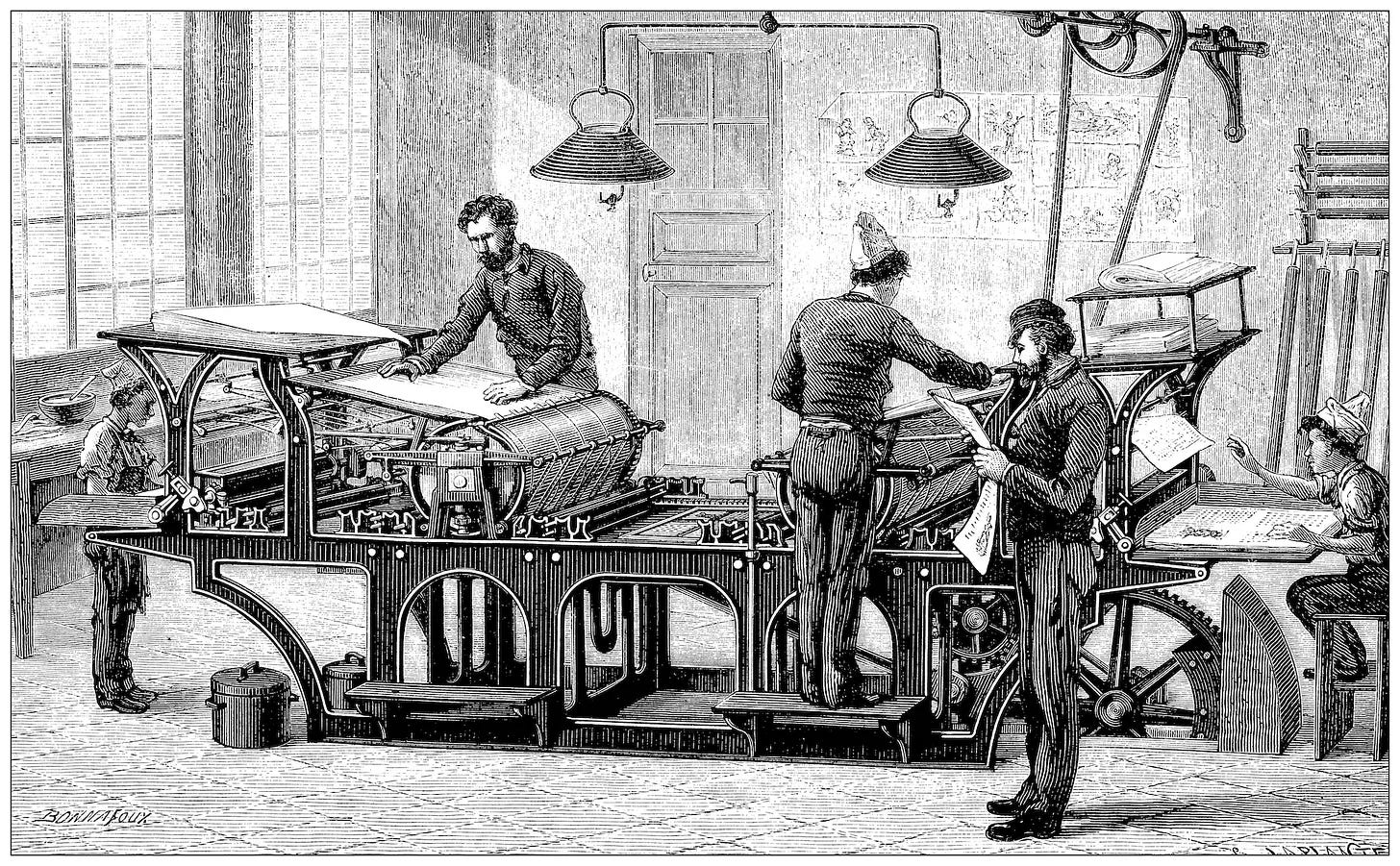
Editor's Farewell: Closing a Five-Year Venture in Ideas
Discourse's editor-in-chief announces the magazine's closure, marking the end of a five-year attempt to sustain intellectually serious commentary in an increasingly fragmented media landscape. The implicit narrative is that even well-executed projects committed to serious argument struggle against economic headwinds and audience fragmentation.

Mortality's Wisdom: A Meditation on Human Finitude
A reflective essay exploring how awareness of life's limits shapes human flourishing and contentment—moving beyond the modern illusion of indefinite self-optimization toward acceptance of temporal boundaries. The piece engages existential themes central to how we structure meaningful lives, a question increasingly obscured by techno-utopian narratives promising to transcend human finitude.