Minnesota Proposes State Civil Remedy for Constitutional Violations by Officials
Original headline: “Minnesota Bills Would Create State Right To Sue Government Officials for Constitutional Violations”
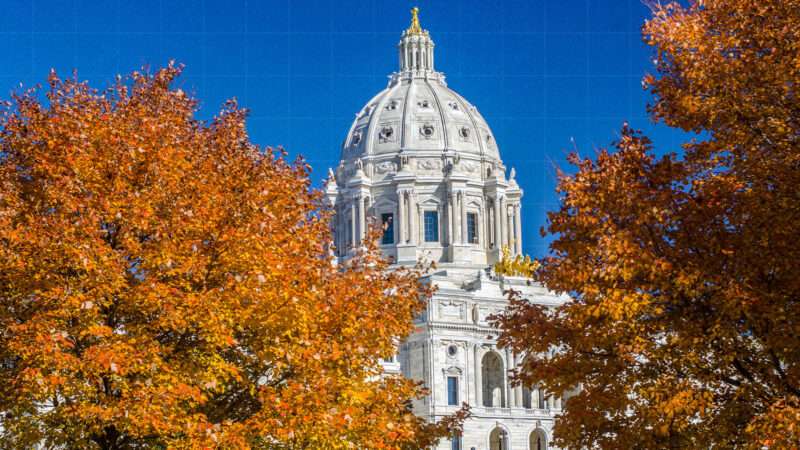
Two Minnesota bills would create a state-level right to sue government officials for constitutional violations, bypassing the federal system's procedural barriers like qualified immunity and Younger abstention doctrine. This represents a federalism end-run around federal civil rights litigation bottlenecks—an interesting policy experiment that could either expand accountability for official misconduct or create duplicative litigation exposure depending on implementation and judicial interpretation.
Read Full Article at ReasonSupreme Court to rule on Trump's birthright citizenship executive order
The Supreme Court will hear arguments April 1 on whether Trump's executive order restricting birthright citizenship comports with the Fourteenth Amendment—a genuinely consequential constitutional question that hasn't been litigated in generations. The case pits textual originalism against settled administrative practice and would affect millions of people born in the U.S. to non-citizen parents. This represents a collision between immigration restriction and constitutional interpretation that cuts across traditional conservative divides.
Birthright Citizenship Case: Administration's Position Contradicts 14th Amendment
The administration's legal challenge to automatic citizenship for children born in the U.S. to non-citizen parents directly conflicts with the 14th Amendment's original purpose: ensuring that formerly enslaved people and their descendants possessed irrevocable citizenship rights. The historical record shows the Citizenship Clause was designed precisely to prevent governments from creating permanent non-citizen populations within U.S. borders. This case forces a reckoning between constitutional text and modern immigration policy—whether citizenship derives from birthplace or parental status.
Federal Judge Rejects Anthropic Blacklist Order as Unauthorized
A federal judge ruled that the Trump administration lacked statutory authority to order the blacklisting of AI company Anthropic, rejecting an executive directive reportedly motivated by concerns about the company's political stance or governance. The decision clarifies that executive power over federal contracting has limits—the government cannot blacklist companies merely because of perceived bias or political views without specific statutory grounds. This represents a meaningful constraint on administrative overreach while leaving open legitimate procurement restrictions.
Pentagon blocks promotions for four officers over diversity concerns
Defense Secretary Pete Hegseth has removed two Black and two female Army officers from one-star general promotion consideration, according to reporting, after months of pressure on senior Army leadership. The action raises questions about personnel management authority, merit-based advancement systems, and whether diversity considerations in promotion selection constitute legitimate institutional policy or discriminatory practice. The decision reflects differing philosophies within the defense establishment on how to structure officer advancement.
Emergency Powers As Electoral Tool: Constitutional Risks
An analysis of Trump's repeated invocation of emergency authority to bypass normal legislative process, with concern that courts may need to intervene before November elections to prevent normalization of executive overreach. The piece identifies a genuine constitutional problem: whether emergency powers doctrine has become untethered from actual emergency circumstances, and whether Supreme Court clarity on standing and justiciability can restore guardrails.